
Exotic Animal Veterinary Care in North Texas
Exotic Animals We Treat
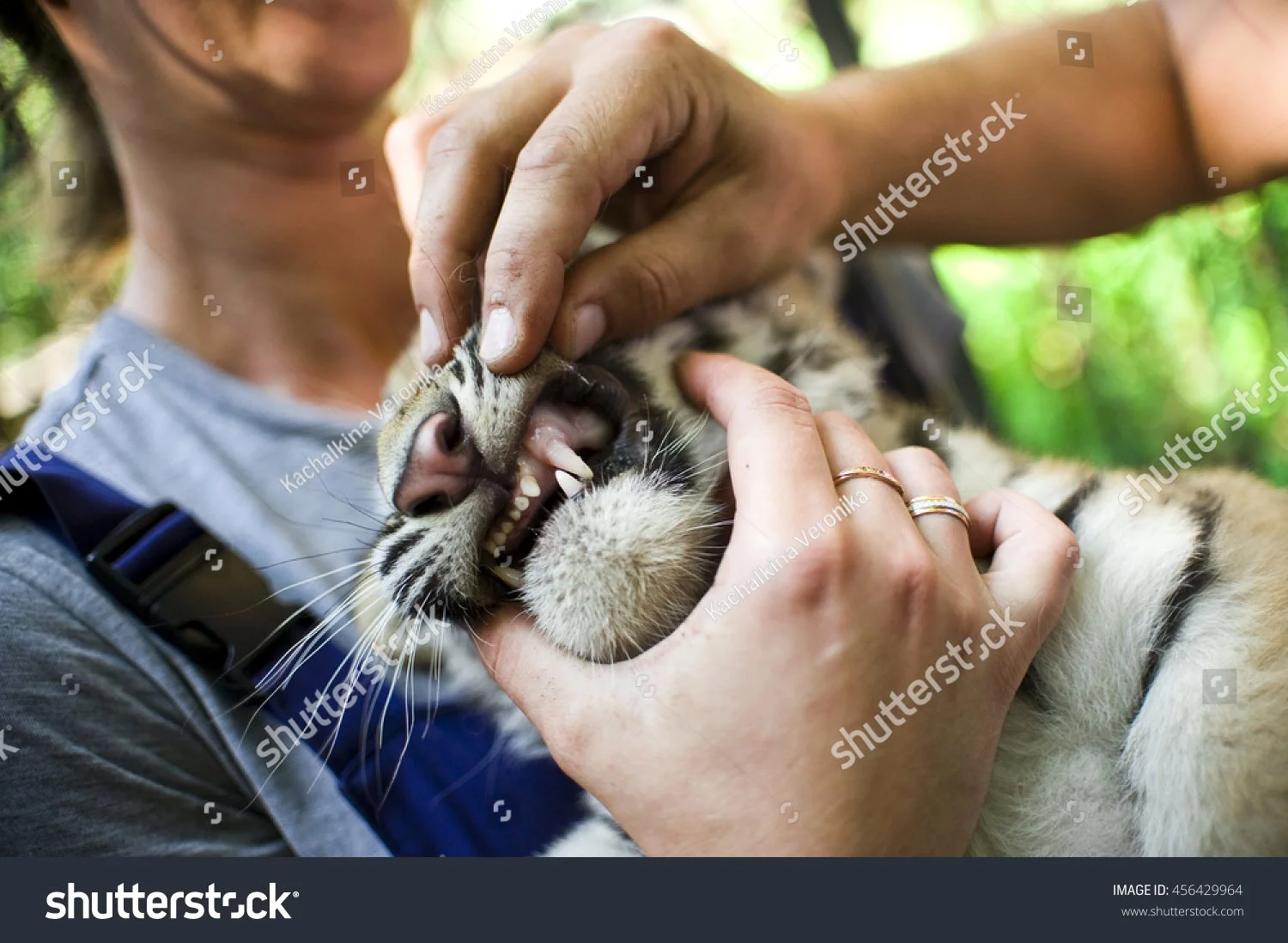
Finding veterinary care for an exotic or unusual animal isn’t always easy. Springtown Emergency Animal Hospital cares for a wide range of exotic pets and other species throughout North Texas, from familiar companion animals to animals many veterinary hospitals may not routinely see.
Our team provides veterinary care for reptiles, birds, small mammals, primates, marsupials, and other exotic and unusual animals. Whether your animal needs routine care, diagnostics, treatment, surgery, urgent care, or emergency care, chances are, we can help.
“Absolutely amazing experience! … They were prompt getting me in, doing an initial evaluation and getting my cat back and prepared for a minor operation. They were very professional, explained everything clearly … they showed my cat the utmost respect and care. I am definitely going to be switching to them.”
- Matthew Pelton


Exotic Animals We Treat
Finding experienced veterinary care for an exotic or unusual animal isn’t always easy. Springtown Emergency Animal Hospital cares for a wide range of exotic pets and other species throughout North Texas, including animals many veterinary clinics may not routinely see.
Reptiles
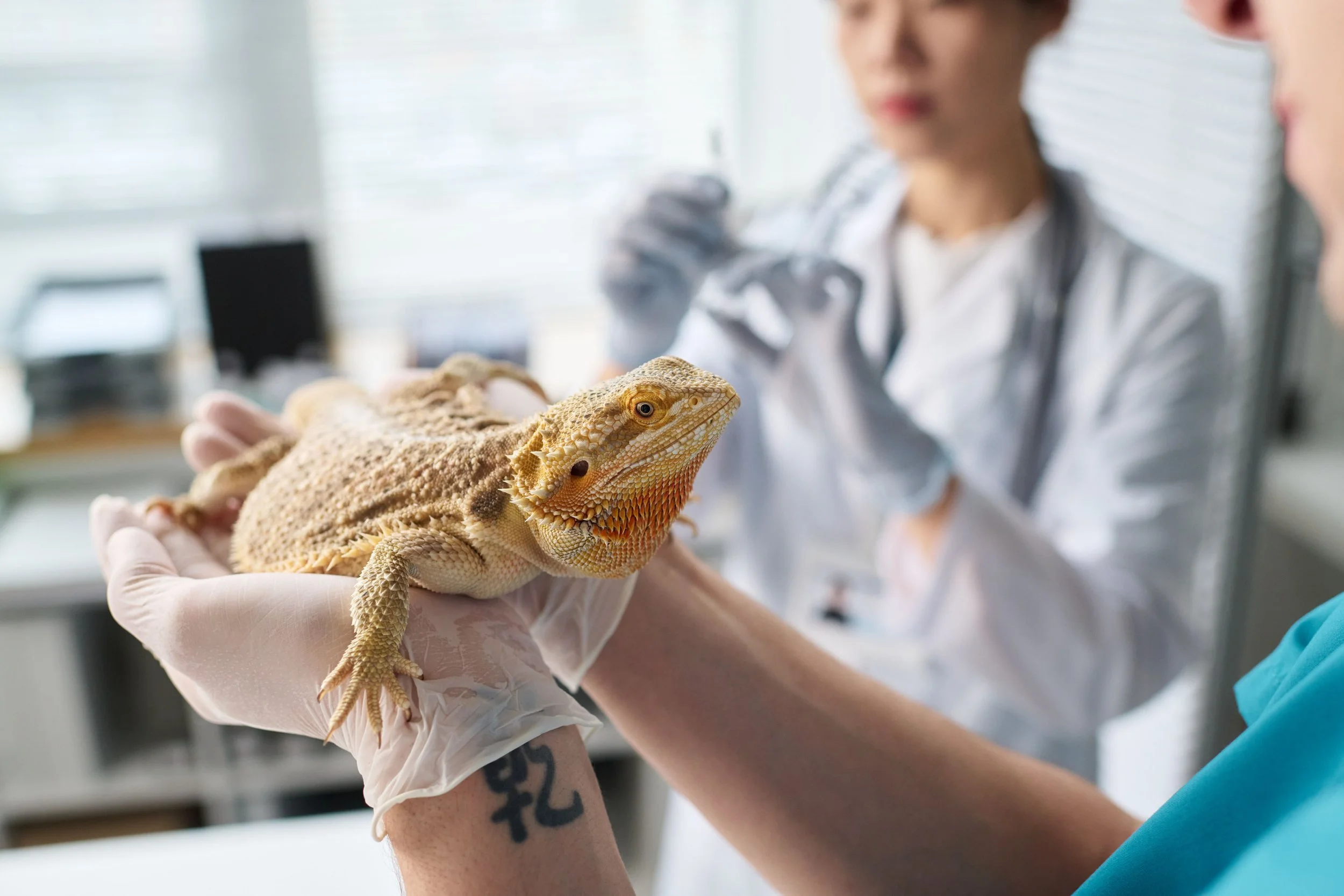
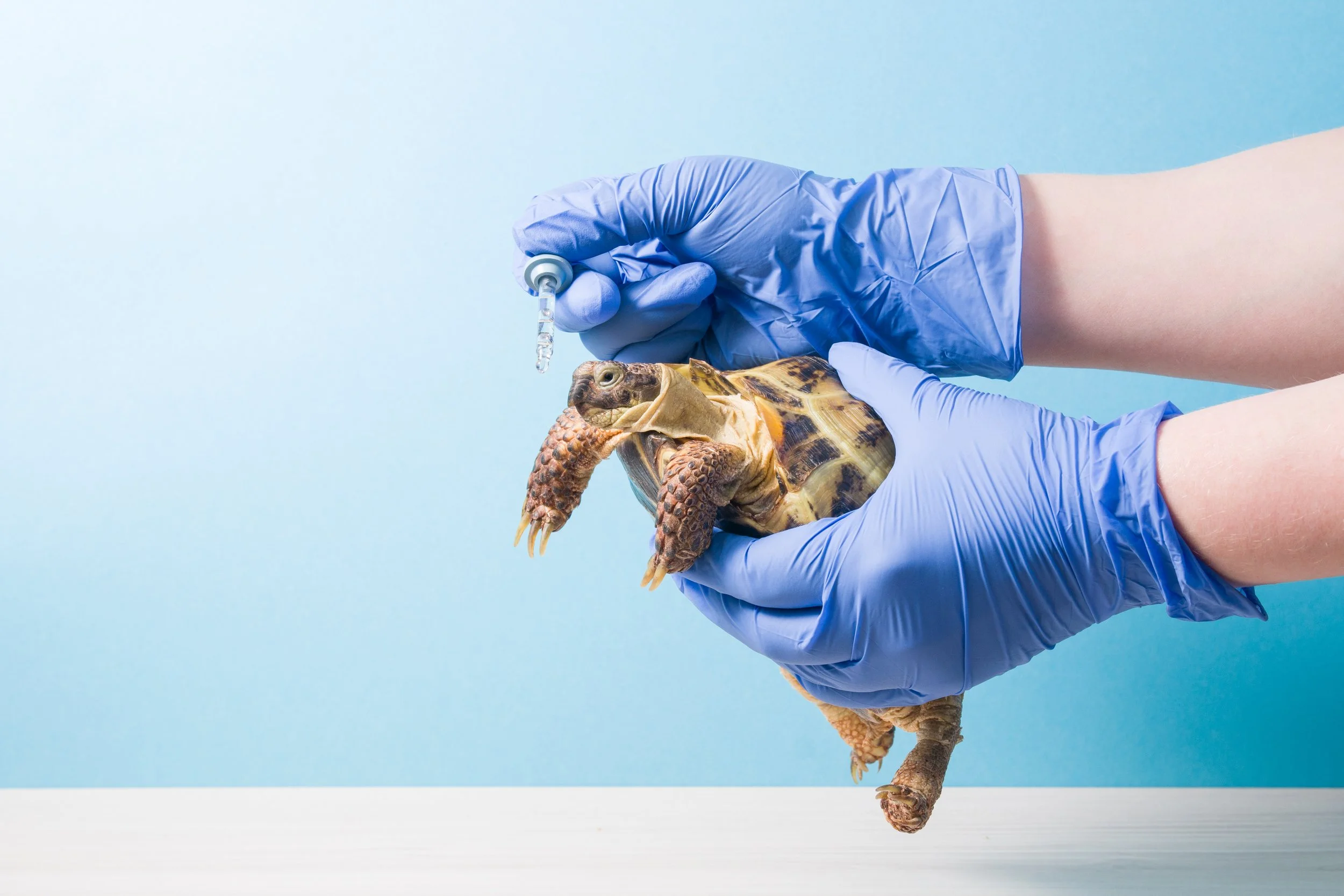
Snakes, pythons, boas, bearded dragons, geckos, iguanas, chameleons, monitors, skinks, turtles, tortoises and other reptiles.
Birds
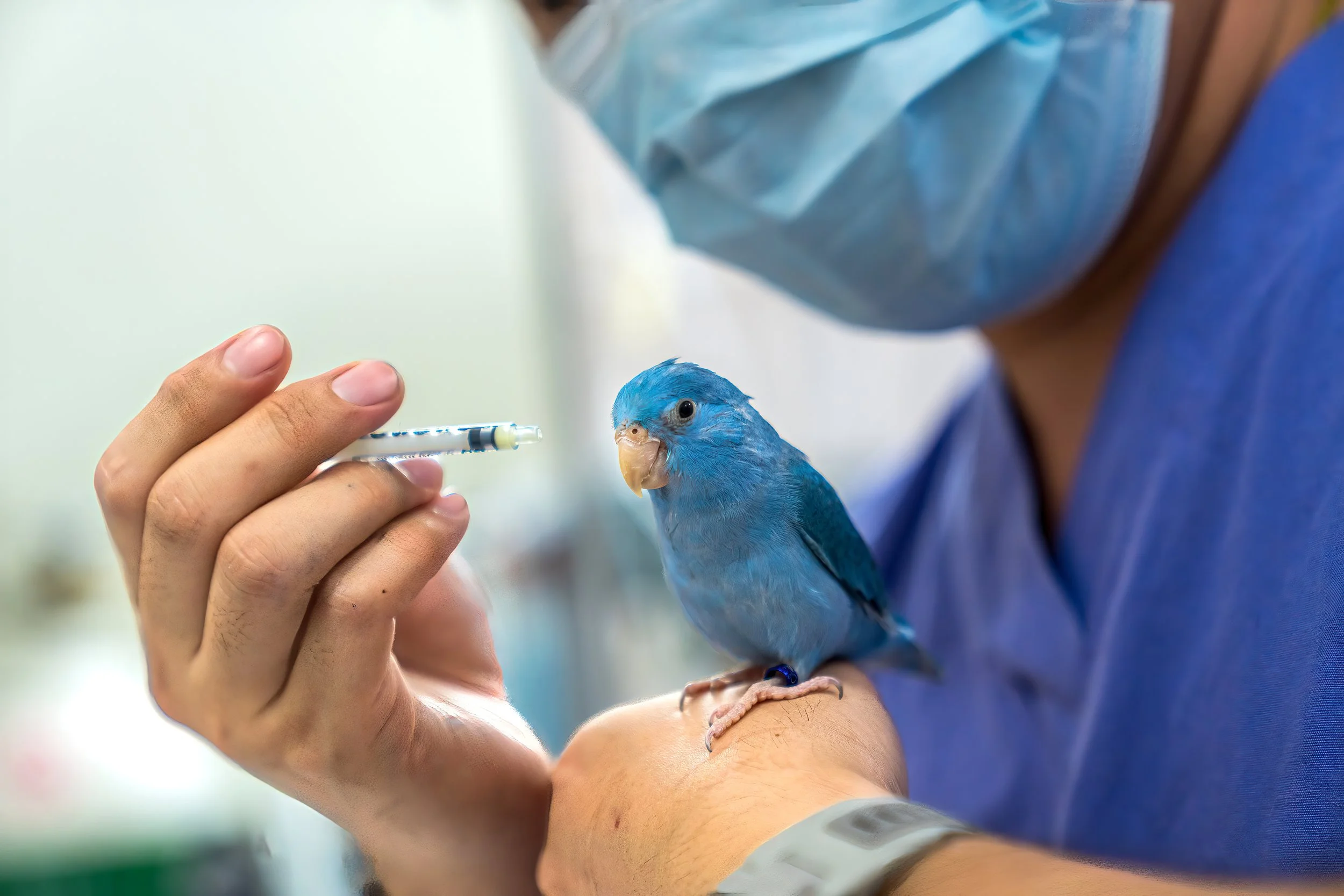
Parrots, macaws, cockatoos, African greys, conures, cockatiels, parakeets, finches, canaries, chickens, ducks and other birds.
Small Mammals
Rabbits, guinea pigs, hamsters, gerbils, ferrets, chinchillas, hedgehogs, rats, mice, prairie dogs and other small mammals.
Primates & Marsupials
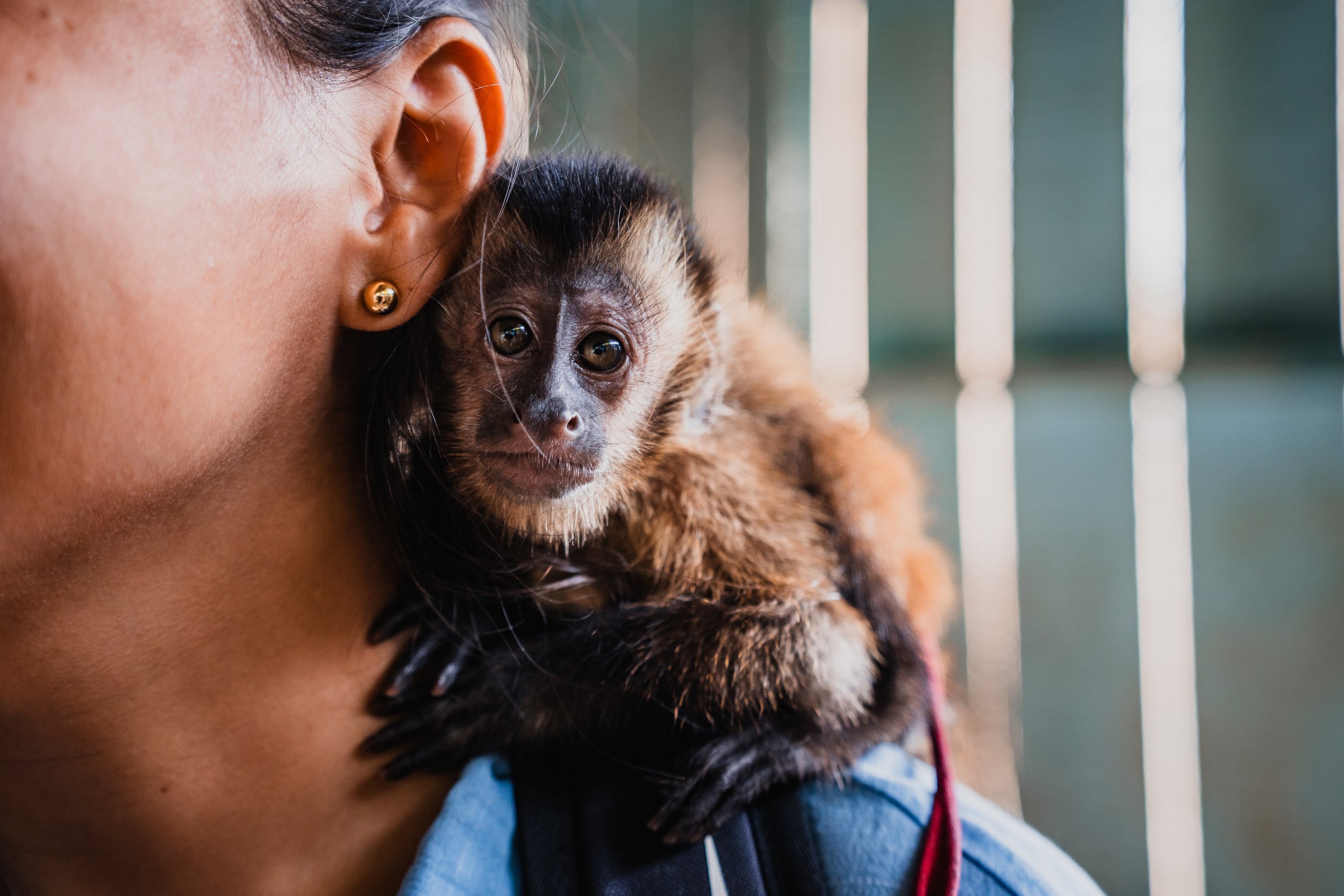
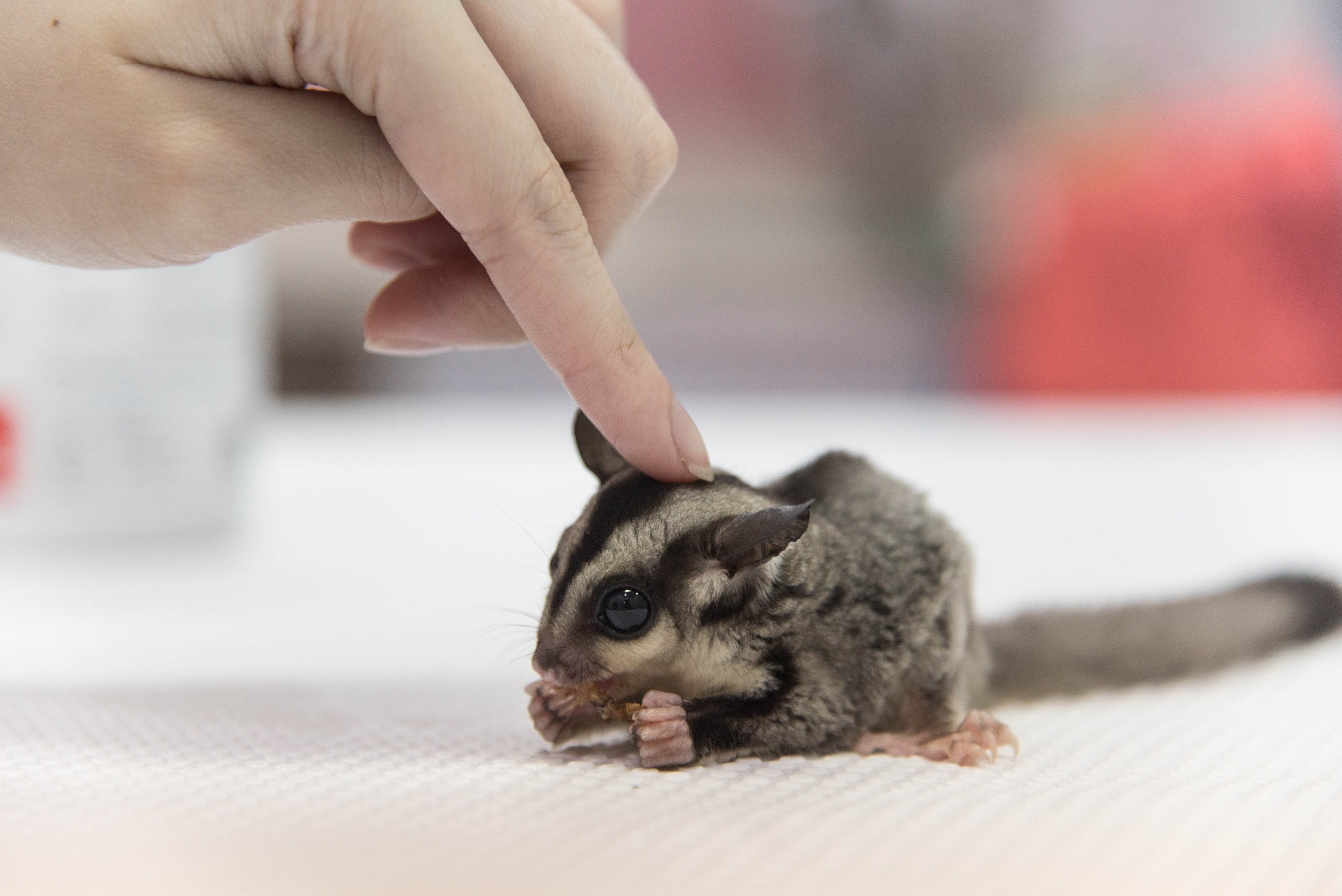
Monkeys and other primates, kangaroos, wallabies, opossums, sugar gliders and other marsupials.
Exotic & Unusual Mammals
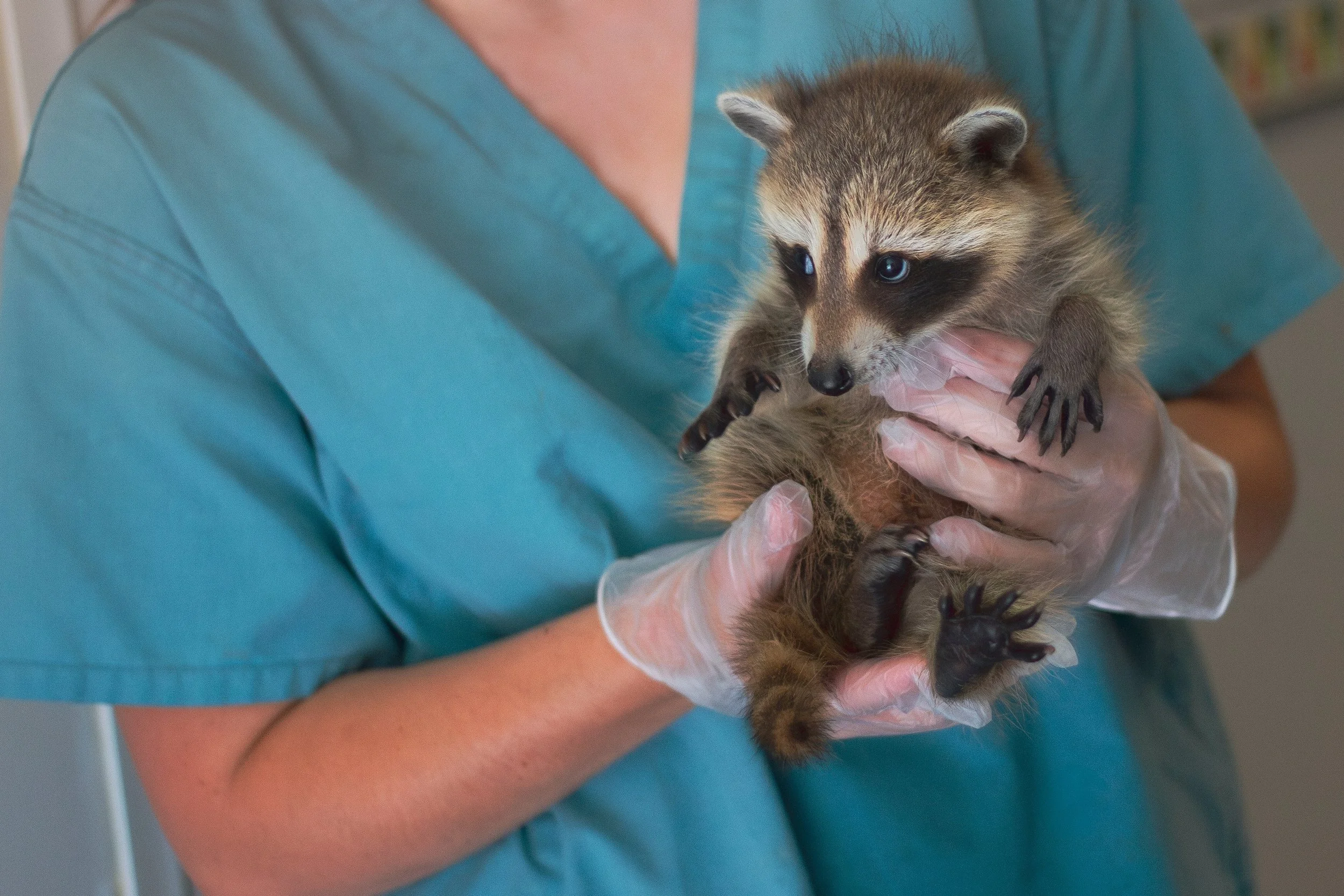
Capybaras, fennec foxes, foxes, raccoons, skunks, squirrels, coatimundis, kinkajous, servals, exotic cats, big cats, miniature pigs and other unusual mammals.
Don’t See Your Exotic Pet Listed?
We care for animals of all kinds, and this list doesn’t include every species we treat. If you’re looking for veterinary care for an exotic or unusual animal, call 817.220.0002 and ask us.
Veterinary Care for Exotic Animals
Exotic animals have different medical, nutritional, environmental, and handling needs than dogs and cats. Our team provides veterinary care tailored to the species we treat, from routine health concerns and diagnostics to illness, injury, surgery, and emergency care.
Wellness Exams & Preventive Care
Routine veterinary exams help monitor your animal’s overall health and identify problems early. We can also discuss nutrition, behavior, habitat, husbandry, and other species specific needs that play an important role in keeping exotic animals healthy.
Illness & Injury
Exotic animals often hide signs of illness until a problem has become more serious. We evaluate changes in appetite, activity, breathing, behavior, mobility, weight, appearance, and other symptoms that may indicate your animal is sick or injured.
Exotic Animal Diagnostics
When something isn’t right, diagnostic testing can help us find answers. Depending on your animal and their condition, care may include bloodwork, laboratory testing, X rays, advanced imaging, and other diagnostics appropriate for their species.
Exotic Animal Surgery
We provide surgical care for exotic animals when needed, including procedures for injuries, masses, reproductive conditions, foreign bodies, and other medical concerns. Surgical recommendations are based on the individual animal, species, and condition.
Emergency & Urgent Care for Exotic Animals
When an exotic animal suddenly becomes sick or injured, finding a veterinarian who will see them can be difficult. We provide emergency and urgent veterinary care for many exotic species, including animals that may not be routinely treated at traditional veterinary clinics.
Nutrition, Habitat & Husbandry
For many exotic animals, proper nutrition, temperature, lighting, enclosure setup, and other husbandry needs are directly connected to their health. We can help identify potential problems and provide guidance based on your animal’s species and individual needs.